March 9, 2026
Forestry mulching is a sophisticated environmental engineering technique increasingly recognized for its capability to replicate the natural cycle of the woodland floor. This practice involves the systematic reduction of standing vegetation into organic groundcover, which gradually decomposes to provide numerous ecological benefits. By mimicking the nutrient-rich detritus found in undisturbed woodlands, forestry mulching services can significantly enhance soil quality, encourage localized biodiversity, and improve hydrologic management.
This article explores the multifaceted biological advantages of mulching and how it effectively reconstructs the beneficial conditions found in old-growth forests. Understanding these impacts not only highlights the practical efficiency of the process but also encourages its broader adoption in land management efforts aimed at sustaining natural ecosystems.
Enriching Soil Through Natural Decomposition
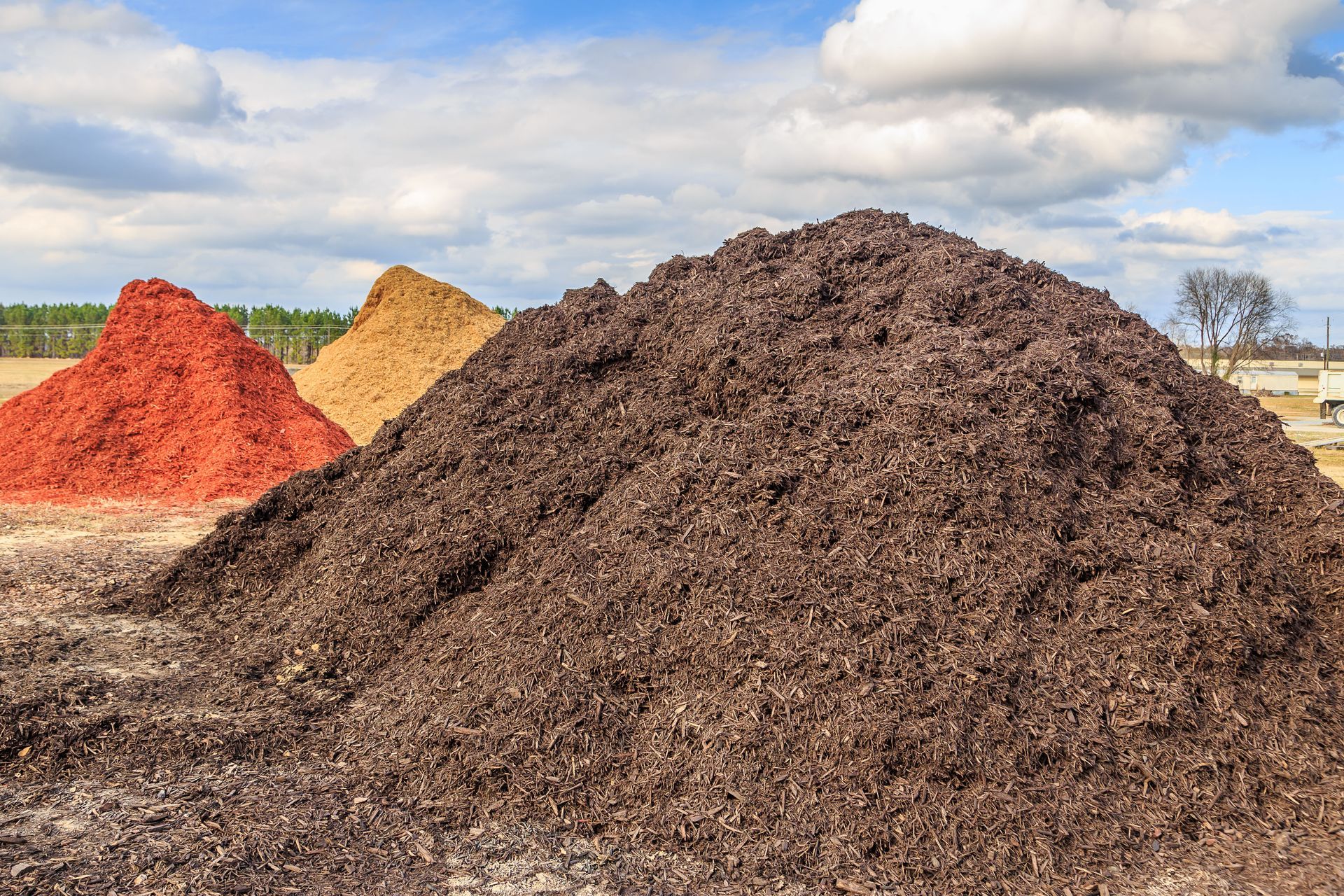
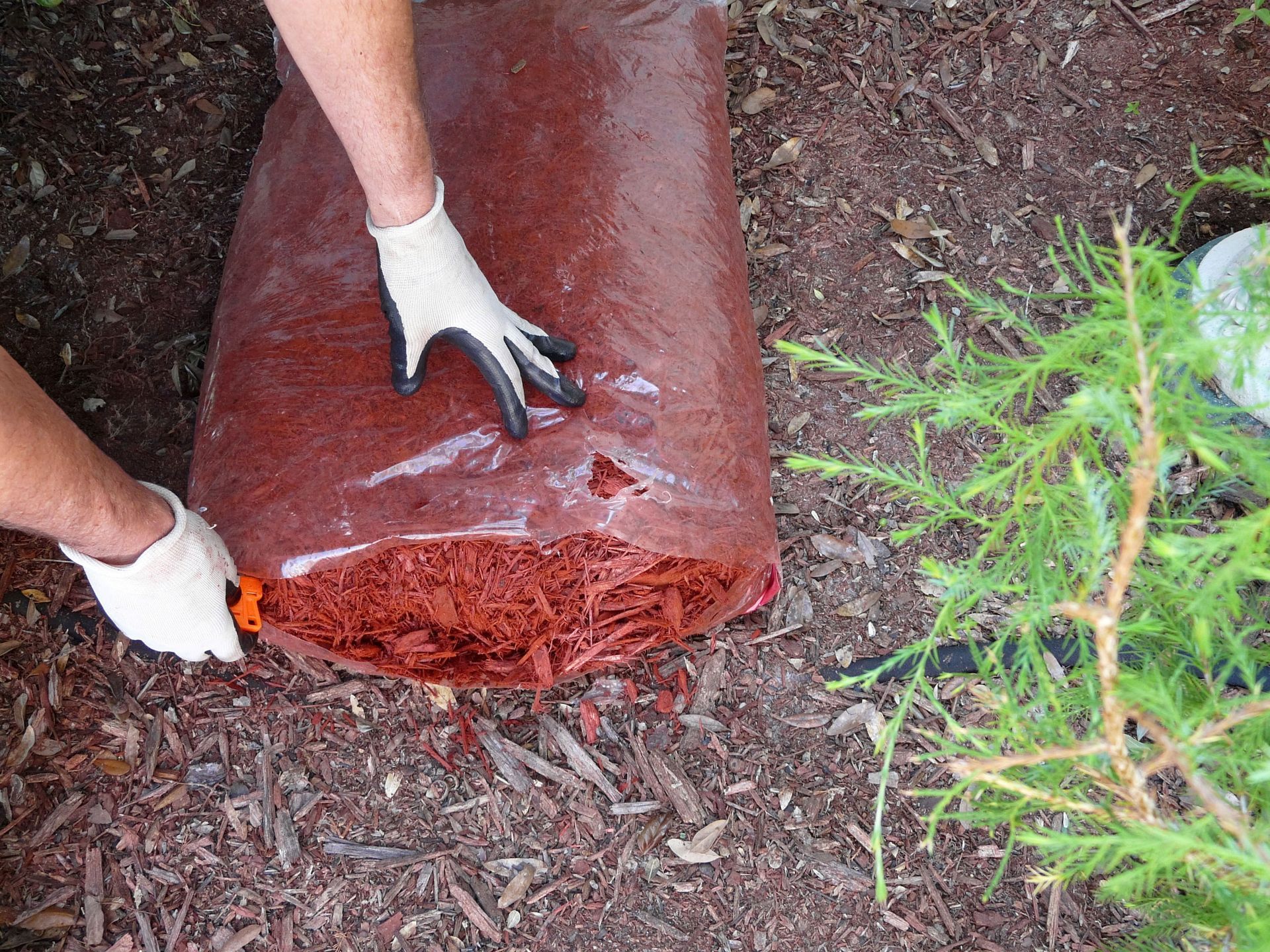
The primary role of mulching is to accelerate the return of nutrients to the earth. As the shredded organic matter breaks down, it releases essential elements like nitrogen, phosphorus, and potassium back into the substrate. This creates a self-sustaining fertilization cycle that mimics a natural forest. According to research from Penn State University, maintaining a mulch depth between two and four inches can successfully recreate the protective and nutrient-dense soil environment found in natural woods. This layer nourishes remaining flora while creating a rich foundation for future growth.
Improving Soil Structure
Beyond chemical composition, mulching has a profound impact on the physical structure of the earth. The weight of the mulch layer helps to loosen compacted ground, allowing air and water to reach deeper root zones. This mechanical improvement facilitates better root development and creates stable microbial habitats. A forest floor protected by a thick layer of organic material serves as a natural blueprint for how a well-structured, porous soil system should function.
Fostering Soil Microbial Life
Mulched soils are teeming with beneficial microorganisms. These microbes break down woody debris, converting it into bioavailable forms for plants. Mulching creates a shaded, moist microhabitat ideal for the proliferation of mycorrhizal fungi, which support plant disease resistance. This increased activity aids in carbon cycling, turning the land into a bustling biological environment.
Reducing Soil Erosion
Mulch acts as a high-performance barrier against the elements. It shields the raw earth from wind and the heavy impact of rain, preserving the landscape's integrity. In areas prone to washing out, forestry mulching services stabilize the surface and prevent the loss of valuable topsoil. This protective cover emulates natural groundcover, maintaining site stability and long-term land conservation.
Enhancing Biodiversity Through Habitat Creation
The application of shredded organic material creates a complex microhabitat that offers shelter to various small animals and beneficial insects. This layer functions exactly like the leaf litter found in deep woods, providing a sanctuary for ground-nesting birds, amphibians, and pollinators. By supporting a diverse array of life, mulched environments contribute to the overall resilience of the local food web.
Supporting Native Plant Species
Mulching aids the establishment of native flora by providing the ideal germination conditions while suppressing the competition. The organic blanket helps regulate soil temperature, allowing indigenous seeds to thrive in a protected environment. By fostering native plants, land managers help maintain ecological balance and promote the genetic diversity necessary for a healthy ecosystem.
Limiting Invasive Species
A major advantage of professional land clearing is the ability to suppress unwanted invasive species. A well-distributed mulch layer acts as a physical barrier that blocks sunlight from reaching the seeds of opportunistic weeds. This allows desirable trees and grasses to establish dominance without the constant pressure of invasive competition. This strategy is integral to conservation efforts aimed at restoring the original character of the land.
By utilizing forestry mulching services, you create a controlled environment where the seed bank of invasive plants remains dormant under a heavy blanket of woody fiber. This biological suppression is far more sustainable than chemical applications, as it allows the soil chemistry to stabilize while providing a slow-release nutrient source for native hardwoods. The resulting groundcover essentially acts as a protective skin for the earth, preventing the rapid colonization of fast-growing vines and briars that typically thrive on disturbed, bare soil.
Advancing Water Management Strategies
Effective mulching enhances the earth's ability to retain moisture, acting like a massive organic sponge. The layer absorbs rainfall and prevents the rapid evaporation caused by direct sun exposure. This practice reduces the need for supplemental irrigation and supports water penetration deep into the root systems. The result is a landscape where moisture is conserved, minimizing stress on plant life during dry seasons.
Reducing Surface Runoff
Mulched areas experience a significant decrease in surface runoff, which helps with groundwater recharge. By providing a permeable surface, mulch slows down the speed of rainwater, allowing it to seep into the ground rather than washing away into storm drains or nearby streams. This raised water table benefits the entire local watershed and reduces the risk of nutrient leaching.
Strengthening Drought Resistance
Forestry mulching services boost a plant’s ability to survive prolonged dry spells by maintaining a cool, moist root zone. This retained hydration is crucial when rain is scarce, providing a lifeline for trees and shrubs without the need for manual watering. This drought-resistant quality is vital for managing landscapes in changing climate conditions, supporting the long-term viability of the ecosystem.
Maximizing Energy and Cost Efficiency
Implementing mulching reduces the need for energy-intensive practices such as hauling debris to landfills or burning brush. By processing vegetation on-site, the method limits the use of multiple heavy machines and eliminates the carbon emissions associated with transporting waste. This streamlined approach aligns land management with modern sustainability goals.
Lowering Long-Term Maintenance Costs
Mulching offers financial benefits by reducing the need for chemical fertilizers and expensive irrigation systems. The natural nutrient cycling provides a slow-release fertilizer that sustains the land for years. Owners save on costs typically associated with herbicides and water usage, making the initial investment in land management highly cost-effective over time.
Investing in Ecosystem Services
The financial cost of professional clearing translates into tangible returns in ecosystem services. Improved soil conditions and enhanced biodiversity boost the overall value of the property. By investing in these services, landowners contribute to a healthier environment while achieving high economic efficiency. It is a proactive stance that enriches both the natural world and the human community.
Addressing Modern Environmental Concerns
While the benefits are numerous, it is crucial to manage the application thickness carefully. Applying too much material can smother existing root systems and limit the soil’s ability to breathe. Careful management by experienced operators provides significant ecological results.
Choosing Suitable Mulch Materials
The choice of material depends on the existing vegetation. Forestry mulching services typically utilize the trees and brush already present on the site so that the resulting mulch is perfectly compatible with the local ecosystem. Using wood chips or shredded bark from the same property is the most sustainable way to replenish the soil without introducing outside pathogens or pests.
Monitoring for Long-Term Success
Managing the effectiveness of a clearing project requires ongoing monitoring. Regular assessments allow land managers to see how the soil is responding and where native plants are beginning to return. This adaptability is the hallmark of informed management, allowing for minor adjustments that support a thriving, resilient landscape for decades to come.
The practice of modern land clearing delivers biological benefits that perfectly mirror the ancient, natural processes of the forest. By enriching the soil, fostering a diverse habitat, and improving the way water moves through the landscape, this method stands out as the most vital tool in contemporary land care. Replicating the forest floor is not just about aesthetics; it is about building a foundation for a healthy, self-sustaining future.
When you are ready to reclaim your land while prioritizing ecological health, it is essential to work with a team that respects the complexity of your property. TerraForce Land Management is dedicated to providing high-quality solutions that harmonize with the natural environment. We utilize advanced equipment so that our forestry mulching services leave your land prepared for robust growth and long-term resilience. Contact us today to discuss your project and discover how we can help you create a sustainable, beautiful landscape.