February 3, 2026
Severe storms can leave properties battered with fallen trees, scattered debris, damaged vegetation, and weakened soil, creating both safety hazards and aesthetic concerns. For property owners and land managers in North Carolina, managing this aftermath can be overwhelming and time-consuming without professional assistance. Storm damage remediation isn't just about cleanup; it’s about restoring safety, stabilizing the land, preventing further erosion, and preparing it to withstand future weather events.
One of the most effective tools in this process is mulching services, which play a critical role in repairing and restoring storm-affected landscapes while improving soil health and supporting vegetation recovery. Trusted providers, like TerraForce Land Management, offer reliable, responsible, and environmentally conscious land care solutions for efficient storm recovery.
Understanding the Impact
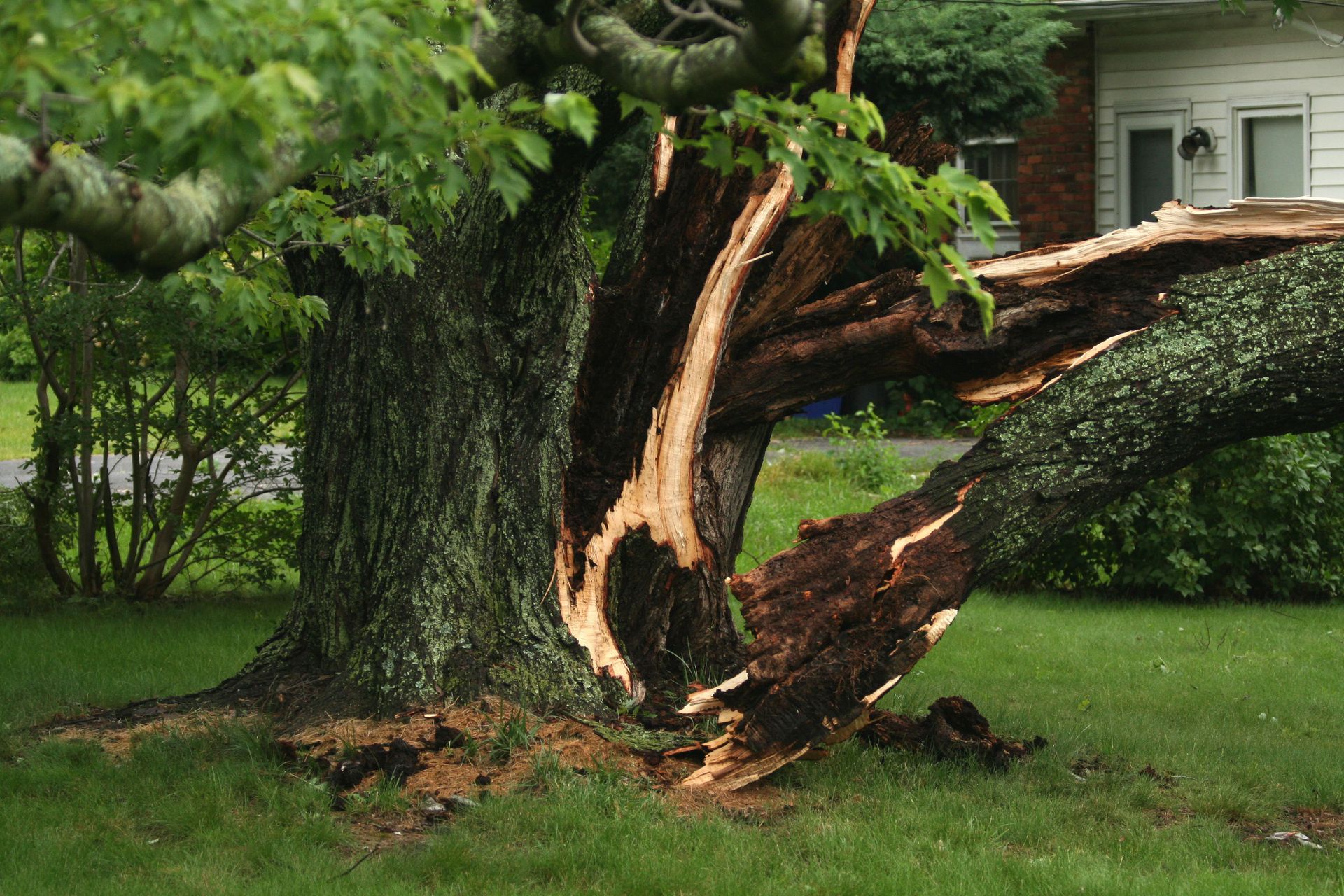
Storms can cause a variety of disruptions to both the natural and built environment. High winds and heavy rainfall can uproot trees, strip vegetation, saturate soil, and scatter debris across your property, creating safety hazards and making cleanup challenging. According to the National Storm Damage Center, each year, roof damage caused by falling trees accounts for over $1 billion in property losses. These fallen trees and limbs not only threaten structures but also leave behind large amounts of woody debris, damaged plants, and compromised soil surfaces that must be carefully addressed for effective and lasting recovery, while also impacting surrounding landscapes and local ecosystems.
Cleaning Up Immediately
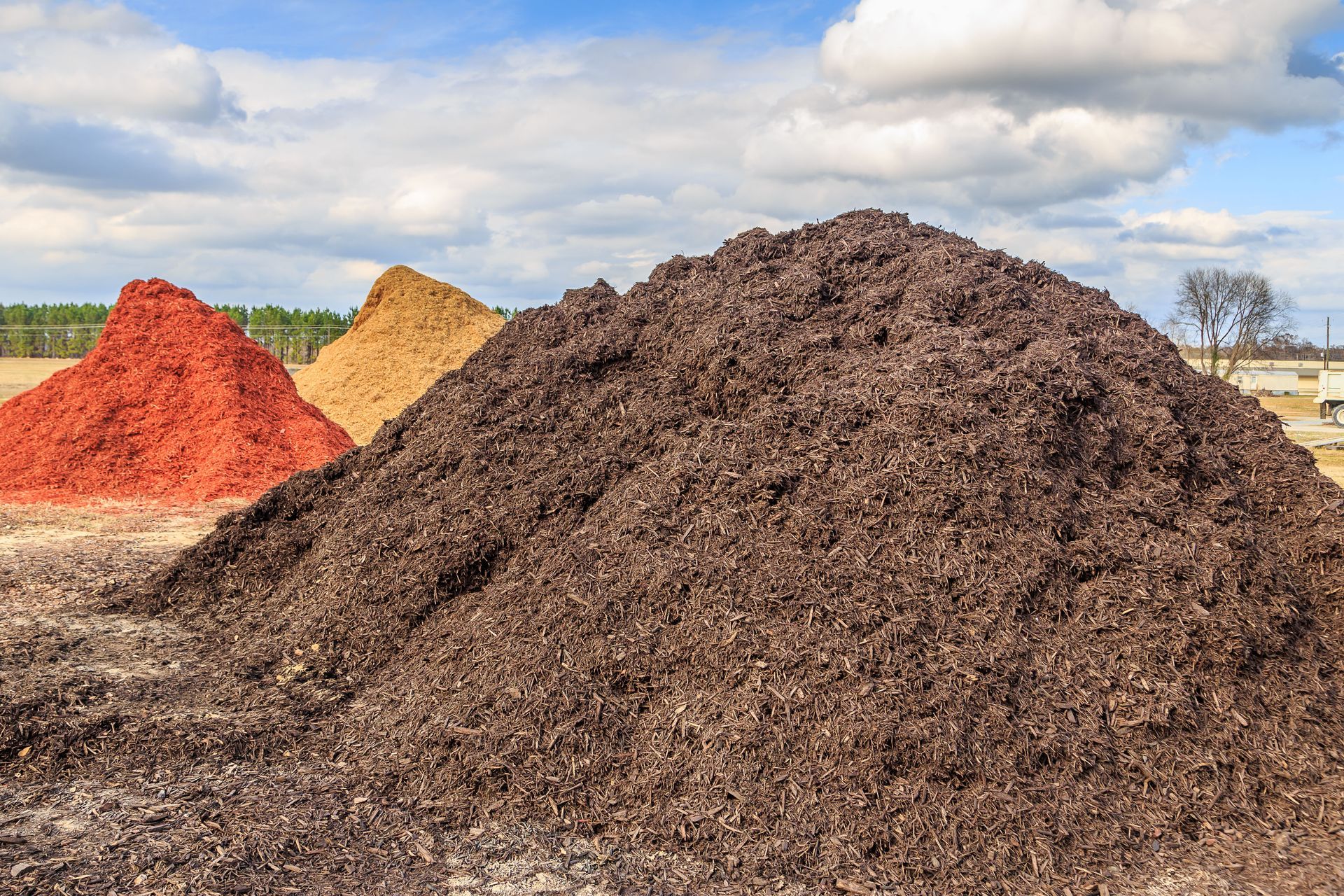
Once a storm passes, one of the first priorities is clearing fallen vegetation efficiently and safely. Mulching services excel in this task by grinding brush, downed limbs, and smaller trees on site, reducing debris volume and environmental impact. Instead of hauling debris away or burning it, these services transform organic material into nutrient-rich mulch that enriches the soil, retains moisture, and supports long-term plant health. This approach speeds up the cleanup process while preventing erosion and promoting landscape recovery. For property owners aiming to restore safety, functionality, and land vitality, mulching is a key first step in storm damage remediation, saving both time and labor costs significantly.
Stabilizing Soil
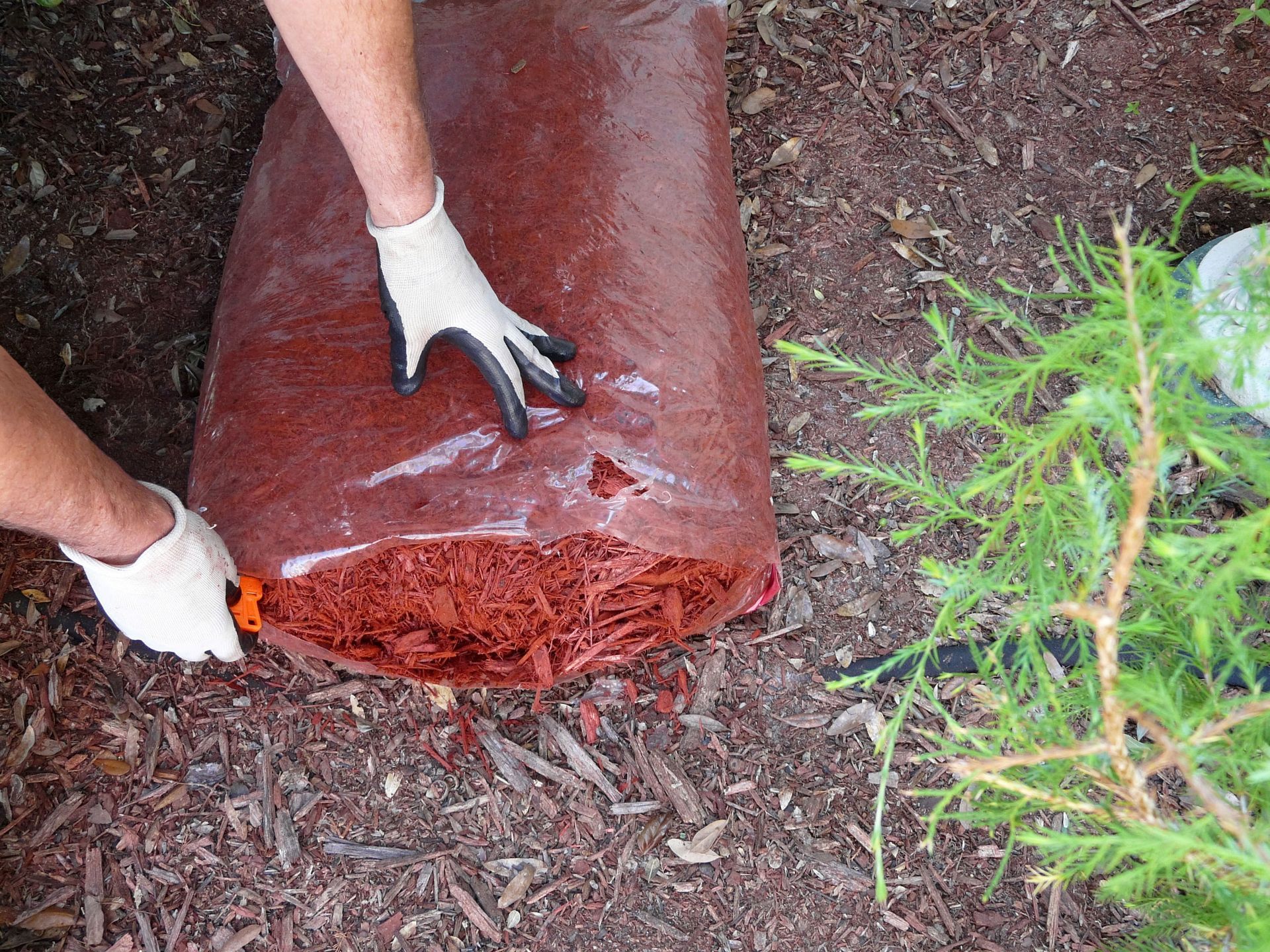
Storms often leave soil exposed and vulnerable, increasing the risk of erosion during subsequent rains. Here, mulching services play a crucial role in stabilizing soil and improving its long-term health. By spreading mulch over bare patches, the ground is protected from wind and water erosion, helps retain essential nutrients, and encourages beneficial microbial activity. Mulch acts as a protective blanket, slowing the impact of rainfall on the soil, reducing runoff, preventing sediment loss, and supporting the growth of new vegetation. This stabilization makes mulching an effective and sustainable tool for long-term storm recovery while promoting soil fertility and supporting future plant growth.
Promoting Vegetation Recovery
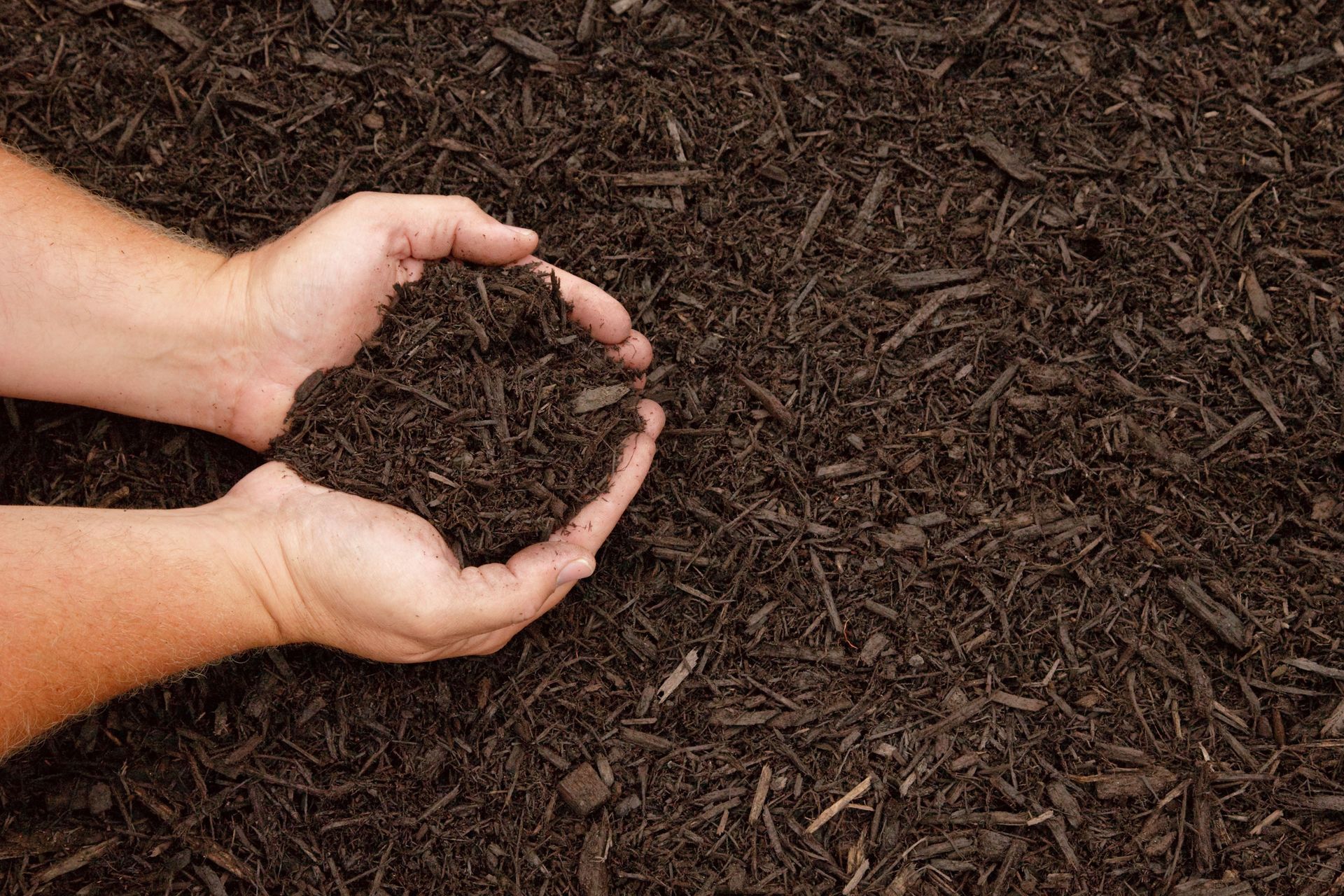
Storms can significantly damage plants, leaving the soil compacted and the roots stressed. Mulching services contribute to the healthy regrowth of vegetation by adding organic matter and improving soil structure. As the mulch breaks down, it enriches the soil with essential nutrients, enhances moisture retention, and encourages beneficial microbial activity. This promotes faster recovery for grass, shrubs, and trees while increasing plant resilience. In addition to supporting the property’s appearance, mulch also helps restore the ecological functions of the land, including providing shade, preventing erosion, supporting wildlife habitat, fostering long-term landscape sustainability, and improving overall biodiversity.
Improving the Drainage
Storm damage can leave the land uneven and waterlogged. Poor drainage can result in pooled water, which weakens soil, damages plant life, and increases erosion risk. Mulching services help improve drainage by clearing debris, enhancing soil structure, and distributing mulch strategically. Proper mulch placement can guide water away from vulnerable areas, reduce standing water, prevent soil washout, and promote even runoff. Combined with careful grading and thoughtful mulch application, mulching ensures that soil conditions are optimized, making your landscape stronger, healthier, and more resilient to future storms while reducing water damage risks.
Protecting Against Future Damage
One of the overlooked benefits of storm remediation through mulching services is its preventative value. By removing weakened or damaged vegetation, you reduce the risk of falling branches in future storms. Mulch also strengthens soil, improves moisture retention, and gives new and existing plants a better chance to establish strong, healthy root systems. Over time, this proactive approach enhances property resilience, minimizes damage from wind and water events, and supports overall landscape health. Regular mulching as part of a storm preparedness plan ensures both safety and long-term land vitality, aesthetic appeal, and increased confidence in future storm readiness.
Removing Debris Efficiently
After severe weather, property owners often face overwhelming amounts of debris. Traditional removal methods like hauling or burning can be costly, time-consuming, and sometimes restricted by regulations. Mulching services offer a faster, more effective solution. By grinding branches, brush, and fallen trees into mulch, cleanup becomes efficient, manageable, and environmentally responsible. The resulting material can be used on site to stabilize soil, protect plantings, improve nutrient content, or enhance landscape aesthetics. This dual-purpose process saves time, reduces waste, and supports long-term land health, while also helping to maintain property accessibility and reduce hazards.
Managing for the Long-Term
Storm cleanup is just one part of overall land management. Mulching services bridge immediate remediation and ongoing property care. After the storm, mulching supports fire prevention by removing dry, damaged vegetation, maintaining clear access paths, controlling overgrowth, and discouraging invasive plants. This proactive approach aligns with long-term property goals, preserving both the functionality, aesthetic appeal, and ecological health of your land. Regular application of mulch ensures that the landscape remains healthy, resilient, visually appealing, and better equipped to withstand future weather events.
Choosing the Right Provider
Selecting a qualified team for storm damage remediation is critical. Experience, local knowledge, and reliability are key factors. Professional mulching services not only handle the immediate cleanup but also understand how to integrate long-term land management strategies. They can assess damaged areas, recommend appropriate mulch application, remove hazardous debris, and ensure that recovery efforts are safe, efficient, and effective. With the right team, you can restore your property quickly, protect valuable landscaping, minimize future risk, and gain peace of mind knowing your land is properly maintained.
Recognizing the Broader Benefits
Beyond storm recovery, mulching services offer multiple long-term advantages for your property. They improve soil health, support plant growth, reduce weed competition, and retain moisture during dry periods. In storm-prone regions, these benefits are especially valuable. Mulching not only repairs damage but also strengthens the land against future weather events, encourages biodiversity, prevents erosion, enhances overall landscape aesthetics, and improves the long-term sustainability of your property. This makes it a sound investment for property owners committed to responsible, resilient, and visually appealing land care.
Storm damage is unavoidable, but the speed and quality of your response can dramatically affect long-term outcomes. Implementing professional mulching services as part of your remediation strategy ensures that debris is efficiently managed, soil is stabilized, and vegetation recovery is supported. By integrating these practices with ongoing land management, property owners can protect their investment, enhance safety, maintain aesthetic appeal, improve long-term soil health, and prepare for future storms.
Storm recovery doesn’t have to be overwhelming. Professional mulching services from experienced providers like TerraForce Land Management make the process safe, efficient, environmentally responsible, and highly beneficial for your property’s health and resilience. Contact us today to get expert support for storm damage remediation and protect your land for the years to come.